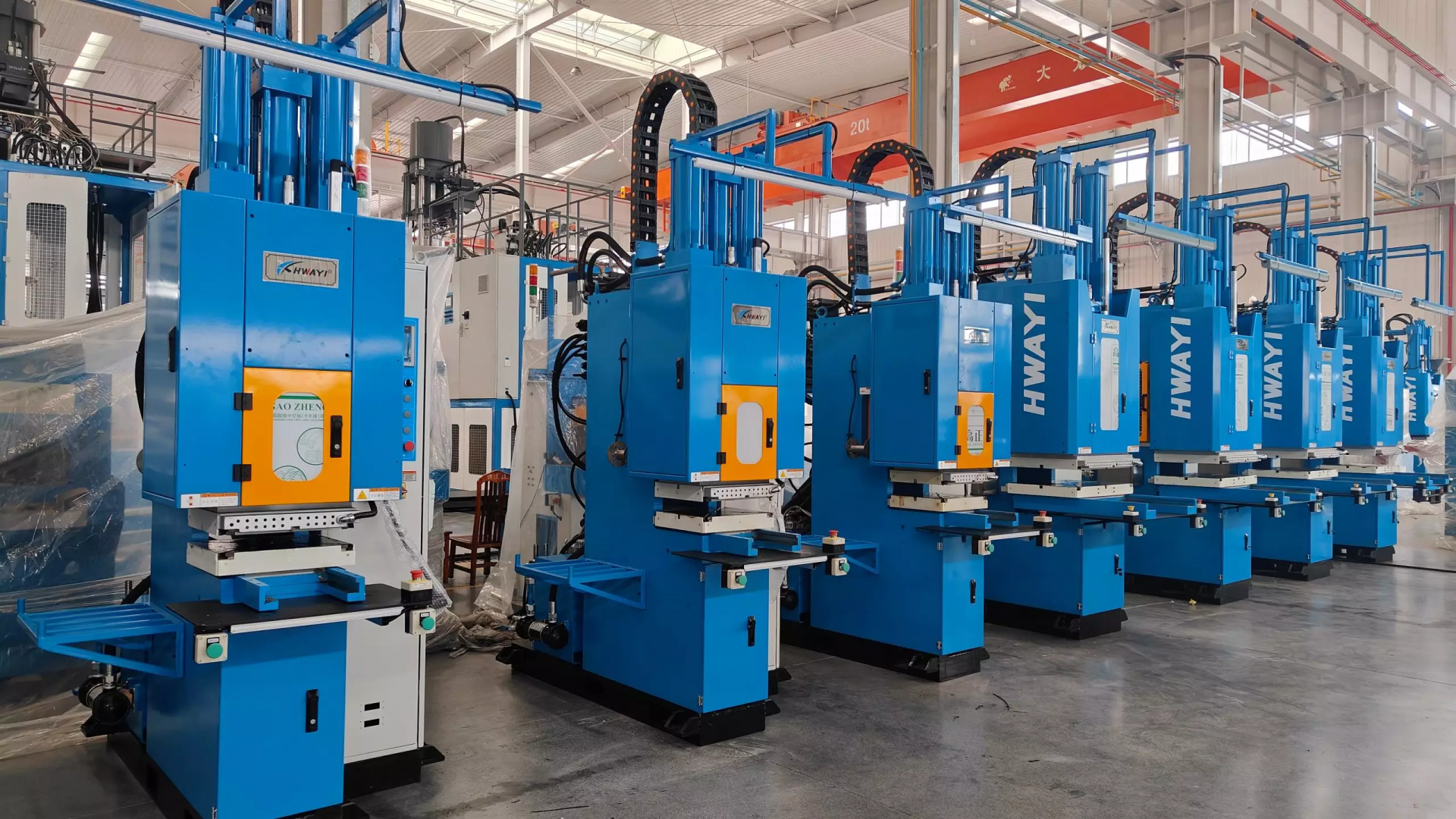
Automation is changing rubber molding from a sequence of operator-dependent steps into a controlled production system. A modern rubber injection molding machine can coordinate feeding, injection, pressure, curing, mold movement, and part handling with repeatable timing. For industrial manufacturers, the objective is not automation for its own sake but more stable output, traceable quality, and predictable labor demand.
The business case varies by product mix. High-volume components may justify extensive handling equipment, while short runs need flexible recipes and fast changeovers. Manufacturers should identify where manual variation, waiting, scrap, or safety exposure create measurable cost, then automate those constraints in a logical order.
Replace Variable Actions with Controlled Sequences
Traditional molding depends heavily on operator’s timing and judgment. An automated rubber injection machine can repeat material preparation, mold closing, injection, curing, and opening according to stored parameters. Consistent sequencing reduces cycle-to-cycle variation and gives supervisors a clearer baseline for investigating quality or productivity changes.
Advanced injection control supports stable pressure and accurate feeding. Those capabilities matter because rubber begins changing as heat and time act on the compound. Repeatable delivery helps fill the cavity before viscosity rises, reducing incomplete parts and limiting the temptation to compensate with excessive pressure or material.
Servo-hydraulic control can match power delivery to process demand instead of running every stage at the same output. This approach can reduce electricity consumption while maintaining stable injection performance. Energy savings should still be verified through accepted parts per kilowatt-hour under the buyer’s real production conditions.
Safety improves when hazardous movements are contained within monitored sequences. Guards, interlocks, emergency stops, safe access, and restart logic remain essential. Automation does not remove the need for risk assessment; it changes the interaction between people, molds, material, and moving equipment.
Changeover design determines whether automation remains useful for mixed production. Stored recipes, repeatable mold connections, documented setup checks, and accessible cleaning points allow a plant to switch products without rebuilding the process. Flexibility should be demonstrated during acceptance trials using representative molds rather than assumed from controller capacity.
Connect Machines with Data and Material Flow
A standalone rubber injection molding machine can automate its own cycle, but factory-level gains depend on what happens before and after molding. Material staging, insert loading, mold preparation, part removal, deflashing, inspection, and packing must keep pace. A slow adjacent operation can leave an advanced press waiting or create uncontrolled buffers.
Production data such as cycle information, process parameters, alarms, and quality records can help engineering teams identify losses and improve process stability. Trend analysis then helps engineering teams separate normal product variation from tool wear, material inconsistency, sensor drift, or operator intervention.
HWAYI offers vertical A and E Series, angle B Series, FIFO BF Series, and C-frame J and JT Series configurations. Such machine platform choices allow automation to be matched to mold access, insert handling, product geometry, and factory layout instead of forcing every application into one machine arrangement.
Integration standards should be agreed during specification. Signal lists, communication protocols, data ownership, user access, cybersecurity, and backup responsibilities affect long-term usability. A connected machine creates value only when plant personnel can retrieve, interpret, and protect the information it produces.
Production records can support traceability when factories define appropriate data collection practices. The scope should remain focused on decisions the factory will actually make, avoiding data collection that adds complexity without operational use.
Preserve Flexibility Through People and Maintenance
Automation changes job content rather than eliminating the need for skilled staff. Operators monitor processes, prepare materials, confirm setups, respond to alarms, and protect quality. Technicians need competence in hydraulics, controls, sensors, software, and mechanical systems. Training should be role-based and use the actual machine configuration.
Recipe management is especially important for a flexible rubber injection machine. The control system needs to protect and version approved parameters and link them to the correct mold and compound. Controlled access prevents casual adjustments from masking a process problem or creating differences between shifts.
Preventive maintenance must include the new automation layer. Sensors, cables, servo systems, safety devices, software backups, and communication hardware join pumps, valves, heaters, seals, and guides on the maintenance plan. Condition data can refine intervals, but it does not replace physical inspection and planned replacement of wear parts.
Management should define ownership before the cell enters production. Engineering may control recipes, maintenance may manage backups, and operations may review performance dashboards. Clear responsibilities prevent minor software or communication issues from remaining unresolved because every department assumes another team controls the automated asset.
The strongest automation projects begin with measurable production needs and finish with sustainable operating routines. A rubber injection molding machine from HWAYI can provide continuous automatic production, stable control, and a heavy-duty platform, yet lasting results depend on line balance, data discipline, trained personnel, and maintenance. That measured perspective keeps the investment focused on business performance rather than promotional claims.
