In today’s competitive e-commerce landscape, unboxing experiences hold significant marketing value. Retailers increasingly lean toward aesthetic shipping supplies to captivate consumers right on their doorstep. As social media sharing and user-generated content continue to drive brand exposure, beautifully designed packaging has become a low-cost yet high-impact marketing tool for online stores.
Among these choices, aesthetic packaging has surged in popularity, making custom hues vital for brand differentiation. However, scaling up the procurement of such customized packaging introduces unique supply chain vulnerabilities.
B2B procurement managers often encounter hurdles ranging from color consistency issues to material scarcity. Understanding these bottlenecks is critical for maintaining seamless logistics and safeguarding brand reputation in the long run.
Identifying Key Vulnerabilities in Specialized Packaging Procurement
Procuring customized mailing supplies is vastly different from buying standard, clear, or monochrome shipping bags. When brands introduce specific branding elements—such as pastel shades—the complexity of the supply chain increases exponentially. Unlike ordinary neutral packaging that allows minor visual errors, soft tones like light pink are extremely sensitive to subtle production deviations, making quality standardization far more challenging for ordinary factories.
One major vulnerability involves pigment consistency and batch variation. Achieving an exact hue across thousands of production runs requires strict mastery over masterbatch mixing and extrusion temperatures. Every tiny change in heating temperature, mixing duration, or pigment proportion can lead to visible color deviation in the finished products. If a manufacturer relies on outsourced raw materials, slight variances can lead to noticeable shade differences between shipments.
For businesses relying on a distinct visual identity, inconsistent deliveries can disrupt brand uniformity, confuse loyal customers, and weaken the premium positioning of high-end beauty and fashion brands.
Additionally, lead time volatility often plagues traditional supply chains. Many intermediaries and trading companies do not control the manufacturing process directly. They can only pass on order demands to upstream factories without the ability to supervise production progress or adjust schedules flexibly. When global resin markets fluctuate or logistics bottlenecks occur, these middlemen struggle to guarantee timely fulfillment. B2B enterprises that fail to partner with direct-source manufacturers frequently face sudden stockouts, delayed order dispatch, and inflated purchasing costs during peak shopping seasons such as Black Friday and holiday sales campaigns.
Evaluating Material Quality and Eco-Compliance Challenges
Beyond aesthetic consistency, modern supply chains face intense pressure regarding material integrity and environmental regulations. Sourcing colored mailers means balancing durability with sustainability demands, a dual requirement that many small-scale suppliers cannot fully satisfy.
Weak film structures, poor tear resistance, and faulty adhesive seals are frequent pain points when dealing with sub-par suppliers. Colored plastic films require precise formula adjustment to maintain both color purity and physical toughness. A compromised mailer risks damage during transit, leading to higher return rates. Extra forward‑thinking enterprises seek verified manufacturing standards, including strict in‑house quality control protocols and international certifications such as ISO compliance. Together, these measures deliver stable and standardized product performance in mass production.
Furthermore, regulatory shifts regarding sustainable packaging present both an opportunity and a risk. Markets across the globe are tightening regulations on single-use plastics. Many countries have launched strict packaging inspection policies to restrict non-recyclable and non-degradable plastic products. Brands sourcing pastel shipping solutions must verify whether their partners offer certified sustainable alternatives. For instance, reputable suppliers often provide eco-conscious pathways such as Global Recycled Standard (GRS) materials, encompassing pre-consumer and post-consumer recycled options, alongside fully biodegradable materials that are heavily favored in eco-conscious regions like Australia. These compliant eco-materials allow e-commerce brands to achieve green transformation while retaining their customized aesthetic packaging design.
Strategic Solutions Through Direct Source Partnerships
Mitigating these multi-layered procurement risks requires a shift away from complex distribution networks toward integrated suppliers. Direct manufacturing partners eliminate unnecessary middlemen, offering greater transparency and accountability from raw material procurement to final delivery. Every production link is traceable, allowing brands to solve quality and delivery problems efficiently once issues occur.
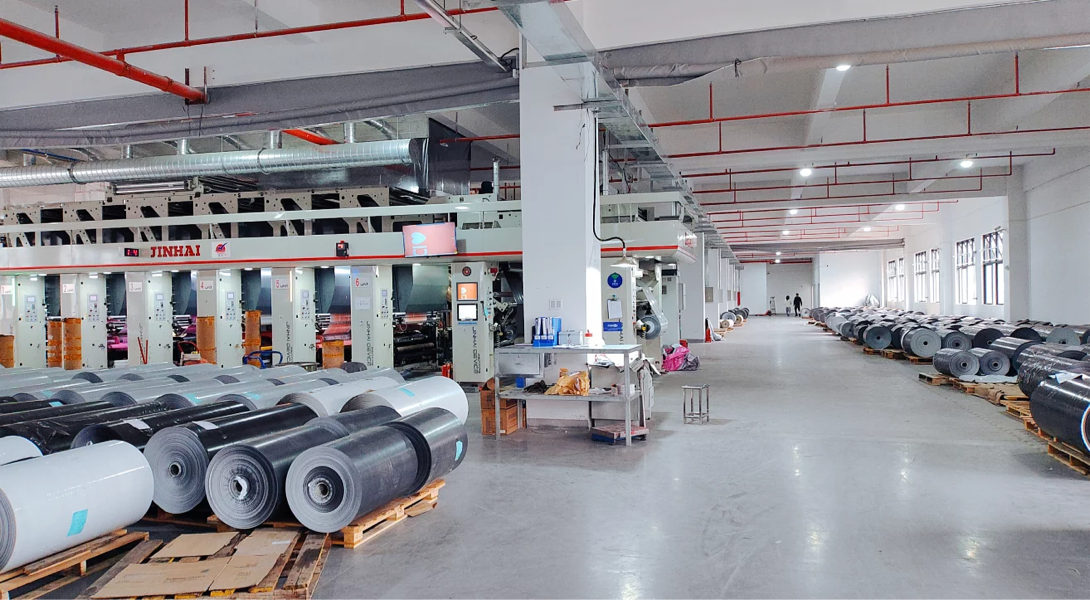
An industry specialist with deep manufacturing roots can better manage pigment consistency, stringent quality testing, and material innovation. For example, WH Packing leverages over fifteen years of manufacturing expertise as a dedicated B2B suppliers. By managing the entire production lifecycle in-house—ranging from raw material sourcing to extrusion and conversion—they help brands overcome standard supply chain friction. The team adopts standardized color calibration processes for customized pastel packaging, ensuring zero obvious color difference between different production batches.
Their extensive product portfolio includes specialized options such as light pink poly mailers, engineered to provide vibrant aesthetics without sacrificing film strength or durability. Alongside customized colored selections, they accommodate diverse enterprise needs through flexible customization parameters, robust cost-control measures, and reliable fulfillment timelines, perfectly matching the bulk procurement demands of medium and large e-commerce enterprises.
Securing Long-Term Resiliency in Packaging Logistics
Mitigating supply chain risks ultimately depends on proactive vendor selection and strategic alignment. As consumer expectations evolve, the demand for eye-catching and responsible shipping supplies will only intensify. B2B procurement professionals can safeguard their operations by prioritizing direct source manufacturers who combine rigorous quality assurance with versatile, eco-friendly material offerings. By establishing resilient partnerships early on, brands can navigate market fluctuations smoothly and keep their fulfillment operations running without interruption, building a stable and professional brand image in the competitive global e-commerce market.
