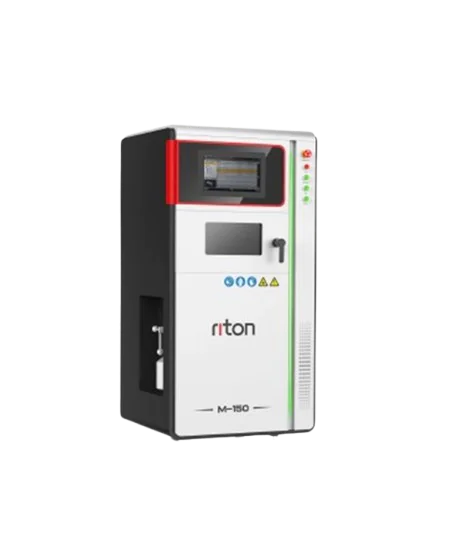
Digital dentistry 3D printing is the stage where digital patient and design data become physical dental components through additive manufacturing. Instead of sending a completed CAD design to a conventional subtractive process alone, a laboratory can use a compatible 3D printing system to build the geometry layer by layer.
Understanding how the process works matters because equipment, software, material, and post-processing are connected. For dental labs considering metal additive manufacturing, the workflow is especially important: a successful print depends on more than the laser itself.
For a laboratory, the practical value comes from understanding these handoffs. A digital model must become manufacturing data, manufacturing data must drive a controlled build, and the resulting part must pass through appropriate finishing steps. Gaps between those stages can reduce the value of otherwise capable equipment.
This is why workflow mapping should precede investment decisions. Teams can identify where files are prepared, where supports are generated, how powder is managed, and which post-processing tasks require dedicated resources. Such mapping also makes capacity planning more realistic.
Where Does the Digital Workflow Actually Begin?
The process starts before the printer is switched on. Dental information is captured and converted into digital geometry that can be designed and prepared for manufacturing.
Once the design is ready, the file must be prepared for additive manufacturing. Build orientation, placement, and support structures become relevant because the printer constructs the part layer by layer rather than cutting it from a solid block.
This stage connects CAD/CAM design with physical production. The goal is to prepare geometry that can be manufactured consistently within the selected equipment and material system.
How Does SLM Turn Dental CAD Data Into Metal Parts?
For metal dental production, Selective Laser Melting, or SLM, is the core manufacturing mechanism described by Riton. A high-energy laser selectively melts metal powder according to the digital 3D model. Each fused layer bonds to the previous layer until the component is built.
The powder is first distributed as a thin layer across the build platform. The laser then follows the programmed geometry and melts selected areas. After one layer is completed, another powder layer is applied, and the sequence repeats.
Layer thickness is one of the process variables that defines how the machine builds the part. Riton’s M-150, for example, specifies a layer thickness range of 20–60 μm, while its M-200D also specifies 20–60 μm.
Digital dentistry 3D printing therefore combines digital geometry with controlled material deposition and laser fusion. The physical object emerges from a sequence of precisely managed manufacturing steps.
What Happens After the Metal Printing Stage?
Printing does not necessarily represent the end of production. Riton describes post-processing as including cleaning, support removal, and heat treatment, with surface finishing such as sanding potentially applied afterward.
Support structures are particularly relevant to metal additive manufacturing. They help manage geometry during building but may need to be removed before the part enters subsequent finishing operations.
Post-processing also changes how laboratories should evaluate equipment. A printer should not be considered in isolation from the activities required after the build.
Which Dental Materials Can Enter This Workflow?
Material selection depends on the printer and intended dental production. Riton’s metal 3D printer page identifies CoCr alloy and titanium among supported materials, while its metal-material portfolio also includes CoCr, titanium, and NiCr categories.
CoCr and titanium are therefore relevant examples for understanding metal dental workflows, but material choice should remain tied to the specific application and validated manufacturing process.
For laboratories researching digital dentistry 3D printing, this connection between material and equipment is a practical purchasing issue. The material should be considered as part of the manufacturing system rather than as an isolated consumable.
What Should Labs Look For in a Metal Printing System?
A laboratory evaluating metal additive manufacturing should examine the entire production chain. Build volume, layer thickness, laser configuration, protective gas requirements, material support, and post-processing can all influence how a machine fits a particular workflow.
Riton’s MLAB uses a single 250 W fiber laser, has a Φ100 × 90 mm melting area including the build plate, and specifies nitrogen or argon as protective gases. Its M-200D uses two fiber lasers and provides a 220 × 150 × 140 mm melting area including the build platform.
These specifications illustrate why machine selection should be based on production requirements rather than a single headline specification. Research into top metal 3d printing companies should similarly focus on application fit.
A laboratory needs to understand what equipment, materials, and workflow capabilities are actually offered before making a supplier comparison.
Why Is the Complete Workflow More Important Than the Printer Alone?
The central idea is integration. Digital design creates the geometry, manufacturing software prepares the build, the printer converts data into a physical part, and post-processing brings the component to its required production state.
Built for the demands of dental metal restoration, Riton’s printer lineup utilizes Selective Laser Melting (SLM) technology to fabricate solid, complex parts by melting metallic powder tier upon tier.
When assessing options, savvy buyers shift their focus from basic printing capabilities to a more critical question: does the machine’s technology, material ecosystem, scale, and integrated workflow fit the lab’s specific manufacturing requirements?
Conclusion
Digital dental 3D printing works by connecting digital design data with a controlled additive manufacturing process. In metal dentistry, SLM converts prepared CAD geometry into physical components by selectively melting powder layer by layer.
The workflow continues through cleaning, support removal, heat treatment, and finishing where required. Understanding each stage gives dental laboratories a clearer basis for equipment selection and process planning.
A more effective way to vet leading metal 3D printing companies is to look beyond machine capabilities and assess their broader production workflows. Manufacturing efficiency often depends on how well equipment, material science, digital tools, and post-processing work together across the production process.
