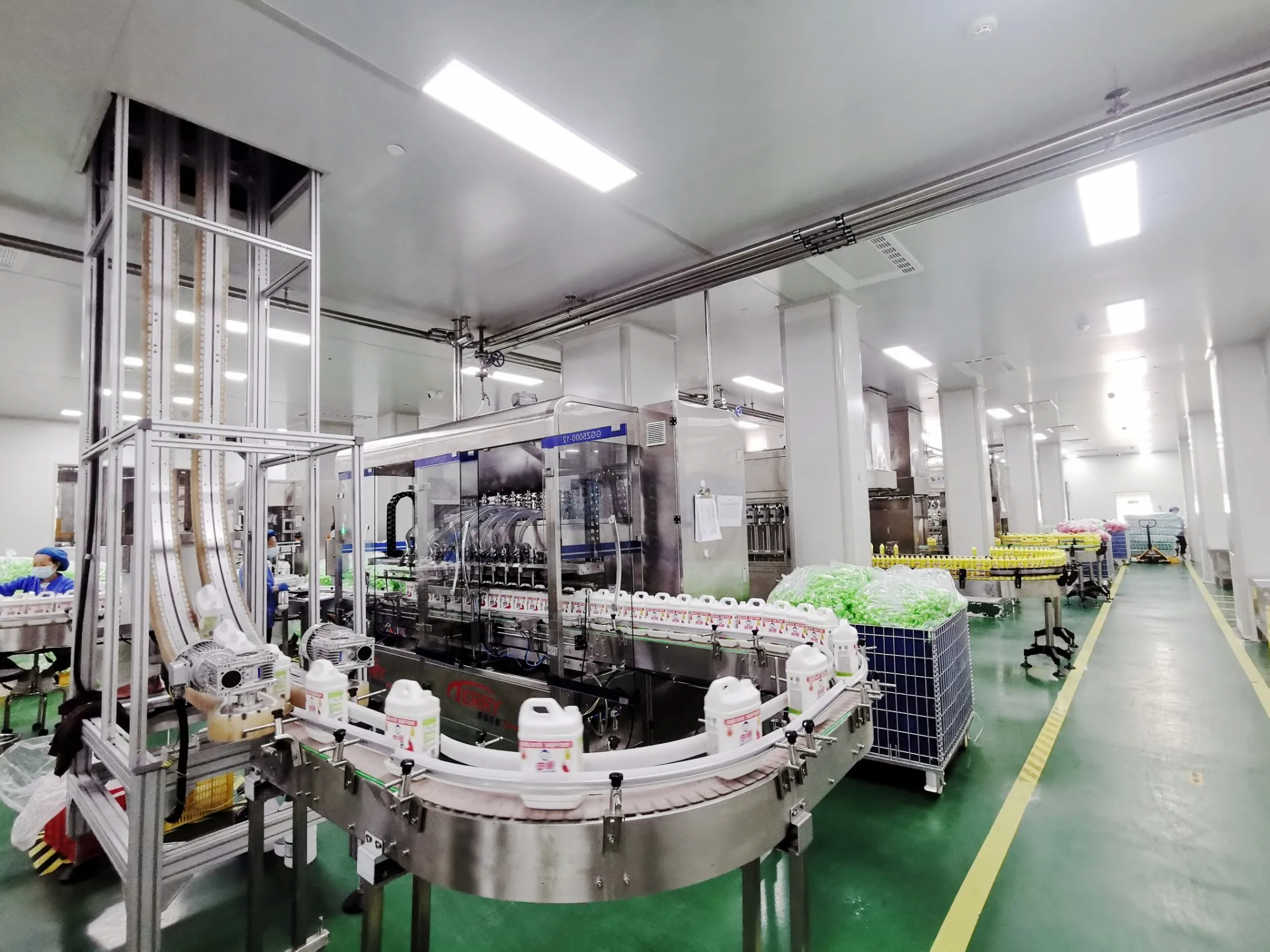
In the dynamic landscape of home care and personal care formulations, achieving the ideal balance of cleaning efficacy, lather quality, and mildness is a continuous pursuit for formulators. Modern consumers demand products that deliver exceptional performance while maintaining skin and environmental safety.
To meet these rigorous expectations, cosmetic and detergent chemists increasingly rely on advanced surfactant combinations rather than single-ingredient formulas. Crafting high-performance liquid soaps, dishwashing fluids, and shampoos often depends on how well primary surfactants work alongside secondary ingredients. Recognized widely as an expert sles manufacturer, Zanyu provides valuable technical insights into creating powerful, stable, and skin-friendly synergistic surfactant systems.
Understanding the Core Foundation: Sodium Lauryl Ether Sulfate
At the heart of many successful liquid cleaning and cleansing formulations lies Sodium Lauryl Ether Sulfate, commonly abbreviated as SLES. As a primary anionic surfactant, it is valued for its outstanding detergency, rapid wetting properties, and dense, stable foam generation. Furthermore, it exhibits excellent solubility in water and strong tolerance to hard water minerals, ensuring that cleaning products maintain their efficacy across diverse geographic regions and water hardness conditions.
When sourced from a reputable SLES supplier, this raw material provides formulators with low eye and skin irritation profiles compared to older anionic alternatives like standard alkyl sulfates. Its high biodegradability also aligns seamlessly with global green chemistry trends. However, while SLES excels in primary foam production and grease removal, modern product developers rarely use it in isolation. Maximizing its potential requires thoughtful blending with complementary amphoteric, non-ionic, or secondary anionic surfactants.
Unlocking Performance Through Surfactant Synergy
Synergy in surfactant chemistry occurs when the combined effect of two or more agents exceeds the sum of their individual properties. By pairing SLES with specific co-surfactants, formulators can address common formulation challenges such as viscosity adjustment, foam enhancement, and irritation mitigation.
- Pairing with Amphoteric Surfactants for Enhanced Mildness
One of the most effective strategies recommended by leading industry specialists involves combining SLES with amphoteric surfactants, such as Cocamidopropyl Betaine (CAB). While SLES provides robust detergency, the introduction of an amphoteric co-surfactant helps moderate micelle charge density, significantly reducing potential skin irritation. This combination is particularly crucial in premium personal care items like baby shampoos, facial cleansers, and body washes, where mildness is paramount. Additionally, this blend supports richer, creamier lather profiles that elevate the sensory experience for the end user.
- Integrating Non-Ionic Surfactants for Specialized Cleaning
For heavy-duty industrial or household dishwashing applications, combining SLES with non-ionic agents—such as Alkyl Polyglucosides (APG) or Alcohol Ethoxylates (AEO)—yields remarkable results. Non-ionic surfactants excel at emulsifying oily soils and breaking surface tension on greasy surfaces. When integrated alongside SLES, they optimize greasy soil removal while maintaining excellent formulation stability. This synergistic balance ensures that liquid detergents cut through tough kitchen grease swiftly without requiring excessive active matter concentrations.
Technical Considerations for Formulating Blends
Developing a stable surfactant blend requires careful control of pH, electrolyte balance, and active matter ratios. Small adjustments can significantly alter viscosity and clarity. Zanyu emphasizes that successful formulators must account for electrolyte levels, as salt concentration plays a vital role in thickening SLES-based systems through micellar growth.
Moreover, temperature stability and preservative compatibility must be evaluated during pilot testing. Utilizing high-purity ingredients from an experienced SLES manufacturer minimizes batch-to-batch variations, ensuring that viscosity modifiers and co-surfactants perform predictably under varying storage conditions. This technical reliability helps brands protect their product reputation and extend shelf life.
Empowering Sustainable and Scalable Production
Beyond chemical synergy, modern brands must navigate supply chain resilience and environmental compliance. Consumers and regulatory bodies alike demand transparency regarding raw material origins and ecological impacts. Leading chemical developers invest heavily in advanced manufacturing infrastructure, utilizing oleochemical pathways derived from natural plant oils to produce sustainable surfactant solutions.
By streamlining production processes and optimizing resource efficiency, a trusted sles supplier can deliver large-scale batches without compromising quality or ecological safety. This balance of environmental stewardship and economic viability empowers manufacturers to scale their product lines confidently, meeting rising global market demands while adhering to strict local regulations.
Advancing Formulation Excellence Through Strategic Collaboration
The success of any cleaning or personal care product ultimately rests upon the strength of its ingredient foundation and the expertise behind its supply chain. Navigating the complexities of surfactant synergy requires more than just quality raw materials; it demands a dedicated manufacturing partner capable of offering reliable technical guidance, consistent quality control, and scalable supply solutions.
Many formulators face common obstacles, from raw‑material batch fluctuation to formulation compatibility issues when blending multiple surfactant types. Working with a seasoned supplier helps mitigate these risks, cutting down trial‑and‑error costs and shortening product development cycles for new launches.
Through ongoing innovation and strict adherence to global standards, Zanyu continues to support brands worldwide in crafting superior, high‑performing formulations that resonate with modern consumers. Collaborating with an established industry leader ensures that formulators can innovate freely, overcome technical hurdles, and deliver exceptional value to the marketplace.
