Battery chemistry affects how an energy storage system performs, how much space it requires, and how operators manage it over time. Sodium-ion and lithium-ion batteries both store electricity through the movement of ions between electrodes. Their practical differences become clearer when buyers examine materials, temperature limits, cycle life, and integration requirements.
For businesses comparing sodium ion batteries for energy storage with lithium-ion alternatives, the right choice depends on the duty cycle and installation conditions. Neither chemistry has a universal advantage. Buyers need product-level data rather than broad claims about an entire battery category.
How the Two Chemistries Differ
Lithium-ion batteries use lithium ions to transfer charge. Lithium iron phosphate, or LFP, is one established option for stationary storage. Its operating characteristics depend on the cell design, battery management system, and thermal controls. Published performance figures should always be tied to specific test conditions.
Sodium-ion batteries replace lithium ions with sodium ions. Sodium is widely available, which creates potential advantages for raw-material sourcing. However, battery prices depend on manufacturing scale, processing methods, and pack design. Lower raw-material cost does not automatically mean a cheaper installed system.
Energy density also matters. Many commercial sodium-ion cells currently store less energy per kilogram than comparable lithium-ion cells. Projects with tight weight or space limits should therefore examine cabinet dimensions and usable capacity, not just the nameplate energy rating. Transport weight and floor loading may also influence installation planning for larger systems.
Temperature and Safety Need Specific Evidence
Cold conditions affect ion movement and charging behavior in both technologies. Some sodium-ion designs offer useful low-temperature discharge capability, but charging limits can still be restrictive. Engineers should compare separate charging and discharging temperature ranges before specifying an outdoor battery cabinet.
Heat deserves equal attention. Cell chemistry influences thermal behavior, while pack-level protection depends on sensors, electrical safeguards, and enclosure design. Buyers should request relevant safety reports and ask what happens during overcharge, short circuit, and cooling-system failure. No chemistry removes the need for system protection.
For sodium ion batteries for energy storage, published temperature ranges must be checked against the actual product. The sodium-ion HaloDyne Na 120/119 system, for example, lists discharge operation from -30°C to 55°C and charging from 0°C to 55°C, with power derating above 45°C. Those figures should not be transferred to other models.
Cycle Life and Real Operating Cost
Cycle-life numbers are useful only when the test method is clear. Depth of discharge, temperature, charge rate, and end-of-life capacity threshold all affect the result. A figure measured under moderate laboratory conditions may not describe daily operation in a hot equipment room.
System owners should also compare usable energy over time. Capacity fade can change how long a battery supports loads or shifts solar output into evening hours. Operating costs include cooling, monitoring, replacement labor, downtime, and service availability. Initial purchase price captures only part of that picture.
An appropriate comparison uses the same operating assumptions for both chemistries. Procurement teams can ask vendors for cycle-life curves, warranty coverage, maintenance instructions, and replacement arrangements. These documents make bids easier to evaluate without overstating either technology’s economic performance. Expected service intervals should also be included in long-term cost estimates.
What a Lithium-Ion Product Shows Buyers
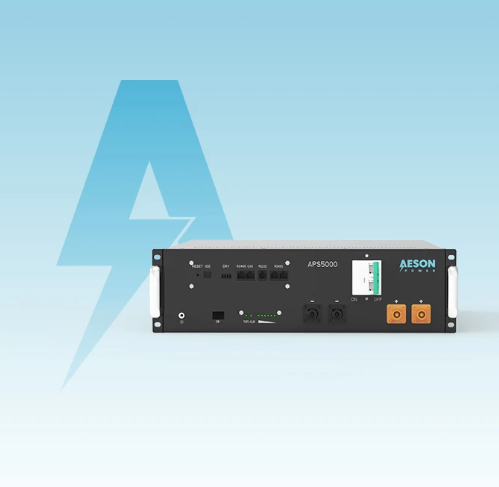
Product specifications offer a practical benchmark. Aeson Power supplies the LithoDyne APS5000, a lithium iron phosphate battery for energy storage. Its published information identifies a cycle life of at least 6,000 cycles under stated test conditions and a design life exceeding 15 years at 25°C. These values are product-specific, not general promises for lithium-ion batteries.
The APS5000 lists a discharge voltage of 46.4–47V and a charge voltage of 56–57V. It is CEC-listed, and the product page describes inverter compatibility. Nevertheless, installers should confirm communication settings, operating voltage, protection arrangements, and inverter approval before connecting equipment.
This example matters because Aeson Power offers solutions across different battery technologies. Buyers should use model documents to compare system fit instead of assuming that a newer chemistry will outperform an established one in every application. Detailed installation records also help technical teams evaluate future maintenance requirements.
Which Technology Fits the Project?
Residential solar storage buyers often prioritize installation space, inverter compatibility, and backup duration. Commercial facilities may focus more on daily cycling, service access, and operating temperature. Off-grid sites also need dependable charging behavior when generation is limited for several days.
For projects considering sodium ion batteries for energy storage, the specification process should begin with required usable capacity, peak power, expected cycles per day, and local climate. Then review system voltage, communications, certifications, warranty terms, and the availability of technical support. These checks help narrow the choice to equipment that fits real operating conditions.
Aeson Power also lists sodium-ion storage products alongside its lithium-based range. That gives distributors and system integrators a reason to request comparable documents for both options. Aeson Power can be assessed on the evidence supplied for each model, including test reports and installation requirements.
Make the Comparison Work for Procurement
Sodium-ion technology brings a different material pathway and can offer useful operating characteristics in selected storage applications. Lithium-ion, particularly LFP, offers established commercial products with documented operating data. Neither label alone answers questions about safety, lifetime cost, or equipment compatibility.
Aeson Power is an Australian battery company serving applications that include energy storage and backup power. Buyers evaluating its product range can request model-specific specifications and supporting test information. Contact their team with your project capacity, installation conditions, and inverter details to discuss a suitable battery configuration.
