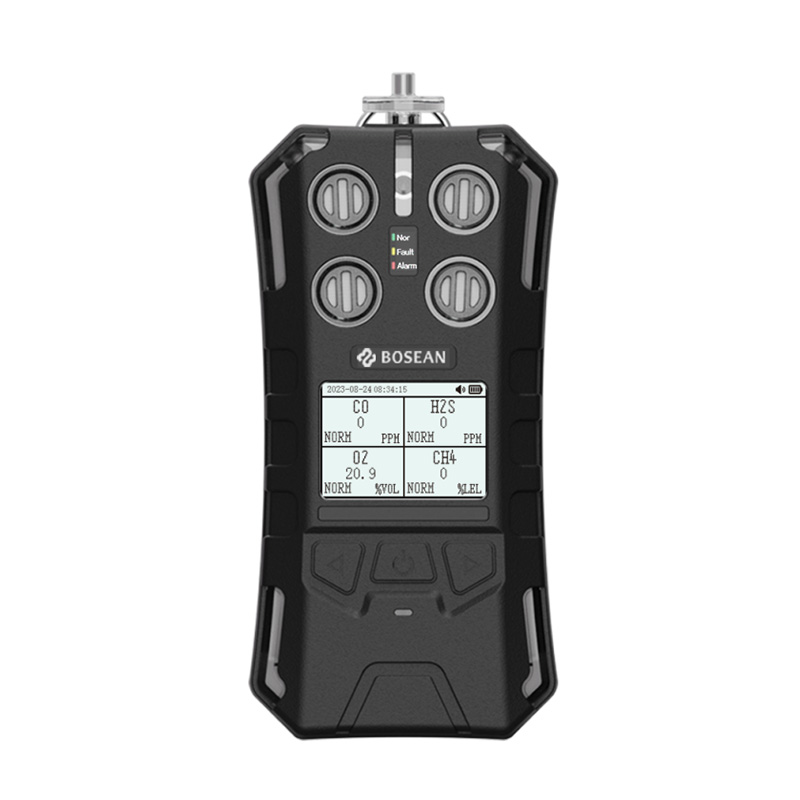
Without an entry under “sampling method,” a comparison sheet can hide whether a proposed instrument fits a job that calls for a sample from a remote inlet. A useful multi gas detector comparison puts the sampling method beside the configured gases and ranges, then checks what readings can be retrieved and which items are included in each quotation.
The sheet works best when every model is evaluated against the same assignment. If the task changes from measuring beside a worker to obtaining air from a remote point, the table can have a separate comparison for each. A trial at the remote point can identify which inlet and fittings each proposed instrument actually needs.
Give Every Column the Same Work Point
Every column starts with the same target gases and the location from which air is to be measured. On an inspection that requires a carbon monoxide reading, for instance, the table identifies the required range in parts per million. If oxygen is also required, its channel gets a separate row with a range expressed as a percentage by volume.
The baseline for each multi gas detector includes the installed channel set. A model description may list several gases available as options, while the offered configuration covers a particular subset. Recording the gas, range, and unit together allows a reading from one candidate to be compared with the corresponding reading from another.
For an inspection that needs oxygen as well as carbon monoxide, a portable multi gas detector price for a build without oxygen belongs in a separate comparison row. The quotes become comparable for that inspection when the proposed instruments both cover the oxygen channel and the carbon monoxide channel over the required ranges.
Put Three Sampling Arrangements Side by Side
Sorting three Bosean models by their sample paths puts the BH-4S under natural diffusion, the S40 under both diffusion and pump sampling, and the five-gas K-600 under built-in pump sampling. These entries describe how each instrument can obtain air. They give the comparison sheet a way to distinguish direct exposure from a task that uses an inlet elsewhere.
A 500 mL/min pump and a pump-fault warning appear in the S40 column for an active-sampling comparison. The adjacent row can identify what tubing and inlet fittings the supplier includes for that mode. A separate direct-exposure trial records the position of the instrument body.
Sampling-related items behind a portable multi gas detector price become easier to identify when the worksheet names the mode to be used on the job. For a remote sampling test, the inlet position and the tubing used belong in the same row as the resulting observation. A test at the instrument body answers a different sampling question.
Check the Reading and the Retrieved Record
A value noted at the instrument during the trial serves as the reference for its corresponding saved entry. Retrieving records from a multi gas detector serves a different purpose from reading its display at the work point. The comparison can ask an evaluator to open an exported sample and check that it contains the information needed for later review.
For the Bosean instruments in this example, the BH-4S has a 2.4-inch display with 320 × 240 pixels, stores up to 500 records, and can upload them to a computer. The five-gas K-600 stores up to 1,200 records and can transfer them to a computer. Storage capacity and how the records are retrieved merit separate rows.
Even with similar exports, two recording schedules can use the available storage at different rates. Entries made only at events may accumulate at a different pace from entries made at fixed intervals. The worksheet can specify when records are needed and how long a unit might go between downloads before assessing the capacity offered.
During a timed trial, the worksheet can also show where the test gas was introduced and when the indication was observed. Response figures measured with different sampling arrangements describe different tests. A useful comparison keeps the record limit, the conditions of the response test, and any equipment used to retrieve the data in distinct fields.
Compare the Full Scope of Each Quotation
Cost comparisons improve when the sheet gives each supplier the same list of items to quote. Separate lines can show the instrument with its installed sensors, sampling accessories, a way to charge it, and the equipment and gas needed for calibration. Service and replacement items can use the same planned period of operation across all columns.
For a remote-sampling assignment, a portable multi gas detector price for the S40 can be compared with the price quoted for a five-gas K-600 once both quotations specify the parts needed to set up the inlet. On the worksheet for these Bosean configurations, an inlet assembly gets one cost row and any hardware for retrieving the record gets another. Separately supplied items can carry their own amounts.
Do both quotations cover the equipment needed for the same trial and the work that follows it? The table can put an included accessory next to the corresponding cost or availability on another quote. A low quote can still leave the tested setup incomplete if the tubing used in the trial was loaned and does not appear in the supplied package.
SEO Title: Multi Gas Detector Setups Compared Side by Side
Meta Description: Compare diffusion, integrated pump and external pump configurations using the same sampling point, recorded readings and quoted accessories.
