apbclothing
  • Home
  • Featured
  • Hair Style
  • Makeup
  • Skincare
Category:

Tool

IndustryTool

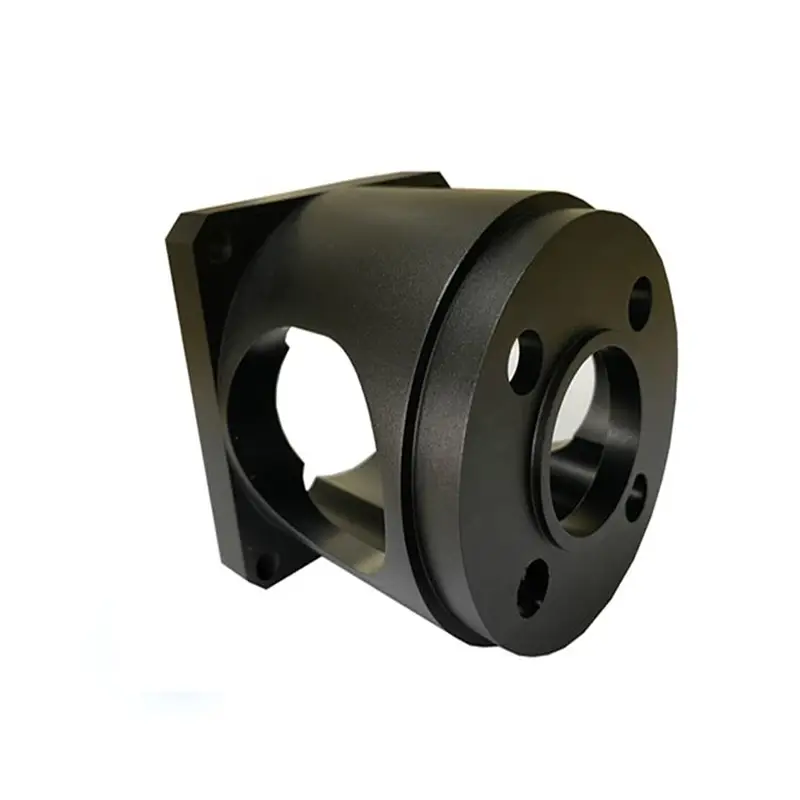
How Does Rapid Prototype Tooling Shorten Product Development?

by apbclothing October 21, 2026
written by apbclothing

Product teams often reach a difficult point after a CAD design passes initial review: the part must be tested in a form that behaves more like the intended molded product, yet conventional production tooling may demand too much time or investment. The useful question is therefore not whether fast tooling is simply cheaper, but how a tooling strategy can expose design issues before production commitments become expensive.


Where Tooling Enters the Development Decision


Prototype tooling sits between early concept validation and full-scale production tooling. Instead of waiting for a production mold, an engineering team can use a simplified tooling route to obtain molded samples for functional and dimensional evaluation.


The distinction matters because a prototype is valuable when its manufacturing method reveals information relevant to the final product. A molded component can expose issues involving draft, wall thickness, gate placement, ejection, warpage, sink marks, and surface finish that may not appear in a visual model.


A Practical Workflow From CAD to Molded Samples


The process begins with design for manufacturability rather than immediately cutting metal. HordRT describes its DFM review as covering parting lines, gate position and size, ejector locations, wall thickness, surface finish, tolerances, and potential molding defects. That review lets engineers resolve manufacturability risks before machining.


Once the DFM direction is approved, tooling components are machined and fitted. The referenced workflow includes CNC machining, gun drilling, EDM, and wire cutting, followed by fitting and polishing before mold trials. This sequence is significant because prototype tooling still has to function as a mold, rather than merely reproduce the geometry of a CAD file.


Trial molding then turns design assumptions into physical evidence. Material preparation, machine setup, filling trials, and dimensional inspection provide feedback that can be carried into the next engineering revision.


The Tooling Material Changes the Equation


Material selection directly affects how quickly a prototype tool can be machined and how long it can remain useful. The supplied reference identifies hard aluminum 7075 and carbon structural steel 1050 (S50C) as options for rapid processing and cost reduction. It reports a typical life of 500 to 5,000 shots for 7075 tooling, while noting that P20 or NAK80 tooling can reach up to 50,000 shots in its case-study information. These figures are source-specific rather than universal specifications.


That distinction should influence quoting. A team expecting engineering samples has different tooling needs from one planning pilot production. Tool life, part complexity, sample quantity, and required material should be considered together rather than treating the lowest initial tooling price as the only objective.


Why the Development Loop Can Become Faster


Speed comes from reducing waiting between engineering decisions. HordRT states that its prototype tooling lead time is usually one to two weeks, with complex or large tooling taking longer. Its prototype service page also lists CNC machining, injection molding, sheet metal fabrication, and urethane casting.


A faster loop does not eliminate engineering work. Instead, it moves critical decisions earlier. Designers can examine molded parts, identify changes, and repeat the validation cycle before committing to a more expensive production-tool configuration.


The approach is particularly relevant when requirements or technical aspects remain uncertain. HordRT’s reference specifically describes rapid prototyping as suitable during product development when underlying technical requirements are not yet fully understood.


What Engineers Should Define Before Quoting


A useful RFQ should communicate more than a 3D CAD file. Part material, quantity, critical dimensions, cosmetic requirements, expected tool life, and delivery objectives give the tooling team context for an appropriate solution.


Part geometry deserves equal attention. Deep features, difficult shutoffs, complex slides, tight tolerances, and demanding cosmetic surfaces can affect the tooling design and machining route. The DFM stage should therefore be treated as an engineering discussion, not merely a quotation formality.


For prototype programs, the supplier reports that its tooling can accommodate engineering changes after samples run, although customer-driven changes can create additional costs. That makes revision planning important: teams should identify which dimensions and features are still experimental and which are considered stable.


When Prototype Tooling Is the Better Development Step


A common use case is a product that requires molded parts for evaluation before production tooling is justified. Functional evaluation, fit checks, appearance reviews, assembly testing, and market-oriented sample development may benefit from having physical parts available earlier, provided that the tool and process are selected according to the intended validation goals.


A prototype tool should not automatically be treated as a miniature production mold. Its purpose is to answer specific engineering questions at a stage when changes are still practical. If those questions are clearly defined, tooling decisions become easier to justify and the resulting samples become more informative.


Turning Validation Into a Production Decision


The real value of rapid prototype tooling is not simply obtaining parts quickly. It is creating a controlled checkpoint between digital design and production commitment. DFM feedback identifies potential issues before machining, tool construction converts the design into a repeatable molding method, and trial parts reveal whether the assumptions survive physical manufacturing.


For teams approaching a production launch, that sequence can make the transition more evidence-based. The right prototype tool is therefore the one designed around the decisions the project still needs to make—not merely the one that arrives first.

October 21, 2026 0 comments
0 FacebookTwitterPinterestEmail
IndustryTechTool

What Is Grating Structured Light Technology in 3D Vision?

by apbclothing August 14, 2026
written by apbclothing

Technological advancements in industrial automation rely heavily on precise data acquisition methods to ensure high-quality production outputs. Grating structured light technology emerges as a sophisticated approach for capturing complex geometries with high fidelity. When organizations incorporate transfer3d solutions into their inspection workflows, they gain the ability to generate dense point clouds that represent surface topography with remarkable accuracy. This methodology serves as a cornerstone for modern metrology, enabling systems to measure minute deviations that traditional sensors might overlook.


Mechanisms of Grating Projection


The fundamental principle behind grating structured light involves the projection of a series of patterned light fringes onto an object’s surface. An integrated camera captures the deformation of these patterns as they wrap around the target’s contours. By analyzing the shift in the projected grating, the 3d vision technology calculates depth information for every pixel. Because this process is non-contact, it preserves the integrity of delicate materials while maintaining high throughput. Engineers utilize this phase-shifting approach to derive precise coordinate data, which is essential for reverse engineering and automated quality control applications.


Integration Within Automated Environments


Implementing high-precision vision systems requires careful calibration to manage varying ambient light conditions and surface reflections. The transfer3d platform utilizes advanced algorithms to interpret the fringe patterns even on metallic or glossy components. By maintaining a stable optical setup, these systems ensure consistency across large-scale manufacturing lines. Operators rely on the robustness of 3d vision technology to reduce downtime caused by manual inspection errors. This automated data collection allows production managers to maintain strict tolerance levels, ensuring that every manufactured item meets required specifications without requiring human intervention.


Precision Data Processing


Once the light patterns are captured, the raw data must be processed into usable formats for industrial software. The mathematical transformation of phase values into XYZ coordinates occurs in real-time, allowing for immediate feedback during the manufacturing process. Organizations that deploy transfer3d architectures benefit from high-resolution scanning that captures subtle surface textures and edges. As the industry moves toward tighter quality control mandates, the reliability of 3d vision technology becomes a critical asset. Efficient processing workflows enable immediate decision-making, which directly correlates to reduced waste and improved material utilization in high-stakes production scenarios.


Effective industrial imaging requires a combination of hardware stability and intelligent software analysis. By adopting specialized structured light approaches, facilities achieve a level of dimensional accuracy that drives long-term operational success. The consistent application of these optical principles ensures that production data remains actionable for engineers and quality management teams throughout the entire product lifecycle.


August 14, 2026 0 comments
0 FacebookTwitterPinterestEmail
ManufacturerTool

Non-sparking Hammer for Ex-areas: A Selection Guide

by apbclothing March 2, 2026
written by apbclothing

Ex-areas, where flammable materials and gases are present, demand a high level of safety and precision. Non-sparking hammers have become a critical tool for professionals working in such hazardous environments. With the right tools, workers can ensure that no sparks are produced during their tasks, mitigating the risk of fires and explosions. The Doright non-sparking hammer is designed specifically for these applications, providing safety without compromising performance.

Why Non-sparking Safety Tools Matter

Using the right tools in environments where combustible materials are present is crucial. A non-sparking safety hammer ensures that there is no risk of igniting volatile substances, making it indispensable in industries such as construction, mining, and chemical processing. The Doright non-sparking safety hammer is a great example of how safety is integrated into everyday tools without sacrificing effectiveness.

Material Quality: Beryllium Copper and Aluminum Bronze

The materials used in making non-sparking hammers significantly impact their durability and safety. Doright utilizes high-quality materials like beryllium copper and aluminum bronze, which are excellent choices for creating tools that will not cause sparks during use. These materials also provide superior strength and longevity, making them ideal for tough working conditions.

Durability and Reliability in Harsh Conditions

Ex-areas are not only dangerous due to the presence of flammable substances but also because they are often subjected to extreme working conditions. Doright non-sparking safety hammers are die-forged, ensuring they can withstand high-impact applications and continue to perform reliably, even in the harshest environments.

Maximizing Safety in Your Workplace

When choosing tools for hazardous areas, safety should always be the top priority. Non-sparking hammers, like those from Doright, provide workers with peace of mind while improving their efficiency. They are specifically designed to reduce the risk of sparks that could ignite volatile materials, helping to ensure a safer workplace.

March 2, 2026 0 comments
0 FacebookTwitterPinterestEmail
TechTool

Consistent Energy Solutions for Daily Operations and Leisure

by apbclothing January 23, 2026
written by apbclothing

Choosing the right battery system is crucial for both recreational vehicles and industrial equipment. They at ROYPOW specialize in providing durable energy solutions tailored to specific applications. Among their offerings, ezgo golf cart batteries stand out for their consistent performance, helping maintain smooth rides on golf courses and recreational parks. These batteries are designed with longevity and efficiency in mind, ensuring users experience fewer interruptions and more reliable usage. Beyond recreational use, these energy solutions extend to industrial machinery, demonstrating versatility across different sectors.

Advanced Charging for Industrial Equipment

A key aspect of maintaining operational efficiency is the availability of a reliable forklift battery charger. They provide chargers compatible with various battery types, allowing for safe and effective charging cycles. This ensures that forklifts and other industrial vehicles are ready for use when needed, reducing downtime and supporting continuous productivity. By offering chargers that match their battery technology, ROYPOW demonstrates a commitment to integrated solutions that benefit both operators and maintenance teams alike.

Versatility Across Applications

The battery solutions offered by ROYPOW are not limited to golf carts or forklifts. Their expertise extends to marine applications, including batteries suitable for fishing motors and boat storage systems. Such versatility highlights their ability to cater to both recreational and industrial energy demands, providing systems that adapt to specific use cases. With careful attention to battery chemistry and storage performance, users can rely on long-term stability and consistent output across different scenarios.

Ensuring Long-Term Efficiency

With energy demands growing across multiple sectors, having reliable batteries and chargers is increasingly important. They ensure that their ezgo golf cart batteries and forklift battery charger products undergo thorough quality checks, emphasizing safety, durability, and usability. By combining practical design with robust performance, ROYPOW helps users minimize operational interruptions and maximize efficiency. For anyone seeking dependable energy solutions for both work and leisure, their products offer a balanced approach to reliability and adaptability.

January 23, 2026 0 comments
0 FacebookTwitterPinterestEmail
MedicalTool

 Material Science Innovations in PTA Balloons for Flexibility

by apbclothing January 20, 2026
written by apbclothing

Advancements in material science are significantly enhancing the performance of peripheral balloon dilatation catheters (PTA balloons). These innovations focus on improving flexibility, crossability, and overall procedural efficiency in treating vascular lesions.

Superior Design Features for Enhanced Flexibility

Modern PTA balloon catheters, like the Shun Sofer, incorporate cutting-edge materials and design elements that contribute to their flexibility. The use of a thin-walled balloon with a soft tapered tip ensures excellent crossability, minimizing damage to the blood vessel wall during navigation through tight or complex lesions. This flexibility is critical for achieving smooth deliverability and effective dilation in challenging anatomical environments.

Enhanced Performance and Safety

Innovative folding designs—available in three or five sections—enhance the PTA balloon’s folding performance, making it easier to navigate vascular pathways. The specialized balloon body, engineered to withstand high burst pressures, allows for repeated pressurizations without rupture, thereby ensuring safety during procedures. Additionally, the incorporation of platinum-iridium radiopaque marker bands provides excellent visibility, allowing clinicians to monitor balloon expansion in real time, thus enhancing procedural outcomes.

Shunmei: Pioneering Excellence in PTA Balloon Technology

As a leading manufacturer, Shunmei is committed to advancing PTA balloon technology. Their PTA balloon catheter combines optimal materials such as nylon and PEBAX to ensure superior deliverability, complemented by an ultra-slippery hydrophilic coating that enhances lubrication. This design allows the balloon to navigate through more complex and distal lesions with ease.

Shunmei‘s dedication to innovation positions it as a trusted partner for healthcare providers seeking reliable, effective solutions for percutaneous transluminal angioplasty. By leveraging material science advancements, Shunmei continues to enhance the flexibility and overall performance of PTA balloons, ultimately improving patient outcomes in the treatment of peripheral artery diseases.

January 20, 2026 0 comments
0 FacebookTwitterPinterestEmail

About Me

About Me

Hi there, my name is Ellen. Welcome to my Blog where you can get beauty tips and so much more.

Keep in touch

Facebook Twitter Instagram Pinterest Youtube Bloglovin

Recent Posts

  • How Does Rapid Prototype Tooling Shorten Product Development?

    October 21, 2026
  • Insulation for Footwear Design: Balancing Underfoot Comfort and Flex-Cycle Recovery

    October 18, 2026
  • All in One Energy Storage Explained: Benefits, Applications and Considerations

    October 17, 2026
  • Custom Resistance Welding Manufacturer vs. Standard Machine Suppliers: Which Is Better for Battery Packs?

    October 14, 2026
  • How One-Stop Custom Fabrication Services Shorten Time to Market for Electronics Products

    October 14, 2026

Categories

  • Agriculture (1)
  • AR (1)
  • Beauty (21)
    • Hair Style (7)
    • Makeup (7)
    • Skincare (7)
  • Biology (3)
  • Business (86)
  • Catalyst (1)
  • Dentistry (1)
  • Desgin (2)
  • Dress (1)
  • Economy (25)
  • Featured (10)
  • Global Trade (30)
  • Healthcare (1)
  • Hotel (1)
  • Industry (135)
  • Innovation (55)
  • Jewelry (3)
  • Kitchen (2)
  • Knife (1)
  • LED (2)
  • Lifts (1)
  • light (1)
  • Living (1)
  • Machine (16)
  • Manufacturer (56)
  • Market (26)
  • Medical (13)
  • Monitors (1)
  • News (65)
  • Product (38)
  • Smart Lock (1)
  • Tech (74)
  • Technology (15)
  • Tool (5)
  • Vegetables indoor (1)
  • 未分类 (1)

About Me

About Me

Hi there, my name is Ellen. Welcome to my Blog where you can get beauty tips and so much more.

Popular Posts

  • 1

    香港家庭首選的豪華MPV該具備哪些特點

    July 9, 2025
  • 2

    Selecting the Ideal Fume Extraction System for CO₂ Laser Applications

    April 17, 2026
  • 3

    5 DIY Natural Skin Treatments For You

    January 22, 2019
  • 4

    Makeup Routine For A Dry Winter

    January 22, 2019

Featured Posts

  • How Does Rapid Prototype Tooling Shorten Product Development?

    October 21, 2026
  • Insulation for Footwear Design: Balancing Underfoot Comfort and Flex-Cycle Recovery

    October 18, 2026
  • All in One Energy Storage Explained: Benefits, Applications and Considerations

    October 17, 2026
  • Custom Resistance Welding Manufacturer vs. Standard Machine Suppliers: Which Is Better for Battery Packs?

    October 14, 2026
  • Facebook
  • Twitter
  • Instagram
  • Pinterest
  • Youtube
  • Bloglovin

All Right Reserved. Designed and Developed by Apbclothing.


Back To Top
apbclothing
  • Home
  • Featured
  • Hair Style
  • Makeup
  • Skincare