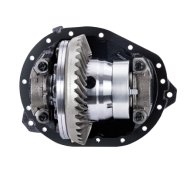
Specialized logistics fleets depend on driveline components that can withstand frequent loading, repeated acceleration, long operating hours, and demanding road conditions. Among these automotive components, the rear axle is particularly important because it transfers driving torque to the wheels while supporting vehicle loads. Proper maintenance can help fleet operators reduce unexpected downtime, identify developing faults early, and protect the long-term value of their commercial vehicles.
For procurement teams and fleet managers, rear axle maintenance should therefore be treated as part of an overall reliability strategy rather than an occasional repair task. A structured inspection program should combine lubrication management, leakage checks, mechanical inspections, operating-condition monitoring, and timely component replacement.
Why Rear Axle Maintenance Matters for Logistics Fleets
Heavy-duty logistics vehicles often operate under conditions that place considerable demands on axle assemblies. Frequent starts and stops, high payloads, uneven roads, and extended operating periods can increase stress on gears, bearings, seals, shafts, and other components.
The final drive within a rear axle is especially important because it reduces rotational speed while increasing torque delivered to the wheels. Any deterioration in lubrication or mechanical condition can affect driveline efficiency and potentially lead to more serious damage.
For fleet operators, preventive maintenance is generally preferable to waiting for noticeable failure symptoms. A small lubricant leak or unusual noise may indicate an issue that is considerably easier and less expensive to address at an early stage.
Check Lubricant Levels and Leakage Regularly
Lubrication is one of the first maintenance areas technicians should examine. Drive-axle service guidance from Spicer recommends checking lubrication levels and correcting leaks during inspection. Its maintenance procedure states that lubricant should reach the bottom of the fill hole when the vehicle is correctly positioned for inspection.
Technicians should also inspect seals, housing joints, drain plugs, and surrounding areas for signs of leakage. A reduction in lubricant can increase friction and heat, accelerating wear on gears and bearings.
Fleet maintenance teams should follow the lubricant type, specification, and service interval specified for the particular axle. Using an unsuitable lubricant or deviating from the approved maintenance schedule can create reliability and warranty risks.
Inspect Gears, Bearings, and Shaft Components
Lubricant inspection alone cannot reveal every mechanical problem. During scheduled servicing, technicians should pay attention to abnormal play, unusual wear patterns, vibration, and noises that change with vehicle speed or load.
The input shaft and drive pinion are important inspection points. Spicer’s drive-axle inspection procedure includes checking input-shaft endplay with a dial indicator, demonstrating why dimensional inspection can be valuable when diagnosing driveline problems.
If a vehicle develops persistent humming, grinding, knocking, or vibration from the rear driveline, technicians should investigate rather than simply replacing lubricant. Early diagnosis can help distinguish between lubrication issues, bearing wear, gear problems, or other driveline conditions.
Adapt Maintenance to Specialized Fleet Operations
There is no single maintenance schedule that suits every logistics fleet. A refrigerated delivery vehicle, construction-material carrier, urban distribution van, and long-distance freight vehicle may experience very different duty cycles.
Fleet managers should consider payload, road conditions, mileage, operating hours, stop-start frequency, towing requirements, and environmental conditions when establishing inspection intervals. Vehicles working in dusty, wet, hilly, or heavily loaded environments may require closer monitoring than vehicles operating under lighter conditions.
This application-focused approach is particularly relevant when selecting automotive components. The axle should be matched to the vehicle’s intended operating conditions, rather than evaluated solely according to a single nominal specification.
Wuling Motors Brings Component Manufacturing Experience
Wuling Motors has a substantial background in automotive manufacturing and component development. Its corporate business covers automotive components, commercial vehicle assembly, and vehicle power supply systems. Its 2024 annual report also describes continued expansion of its component product categories and development of both conventional fuel axles and electric vehicle axles.
The company’s manufacturing history provides relevant context for buyers evaluating axle suppliers. Wuling’s automotive-parts operations have more than 30 years of manufacturing experience, with products covering commercial vehicles, passenger cars, and construction machinery.
Its chassis product range includes a rear axle final drive, positioning the component within a broader chassis and automotive-component manufacturing capability. The supplied production information also indicates a capacity exceeding 1.5 million sets per year, giving procurement teams a useful reference when assessing manufacturing scale.
Build a Preventive Maintenance Record
A professional fleet should maintain service records for every axle assembly. Useful information includes inspection dates, lubricant changes, leakage findings, unusual noises, replaced components, mileage, operating conditions, and technician observations.
These records allow maintenance teams to identify recurring problems and compare performance across vehicles. If several units show similar symptoms at comparable mileage, the fleet can investigate whether the issue relates to operating conditions, component selection, installation, or maintenance practices.
Such data can also improve procurement decisions. Instead of selecting automotive components based only on initial price, fleet managers can evaluate durability, maintenance frequency, downtime, and total operating cost.
Turning Rear Axle Care into Fleet Reliability
A well-maintained rear axle can contribute significantly to dependable logistics operations, but effective maintenance requires more than checking a component after a failure. Regular lubricant inspections, leakage detection, mechanical checks, application-specific service schedules, and accurate maintenance records should work together as one preventive strategy.
For buyers assessing a utility or commercial vehicle platform, the quality of the axle itself is equally important. Wuling Motors‘ experience across automotive components, commercial vehicles, chassis products, and axle-related technologies gives business customers a broader manufacturing background to consider.
Ultimately, specialized logistics fleets need automotive components selected for real operating conditions and supported by disciplined maintenance. Combining appropriate rear axle engineering with systematic service practices can help operators reduce downtime, control lifecycle costs, and maintain reliable transportation performance over demanding commercial duty cycles.
