apbclothing
  • Home
  • Featured
  • Hair Style
  • Makeup
  • Skincare
Category:

Industry

IndustryInnovation

High-Precision, Low-Cost Manufacturing: How Suppliers Maintain Rigorous Specs Without Raising Prices

by apbclothing March 17, 2026
written by apbclothing

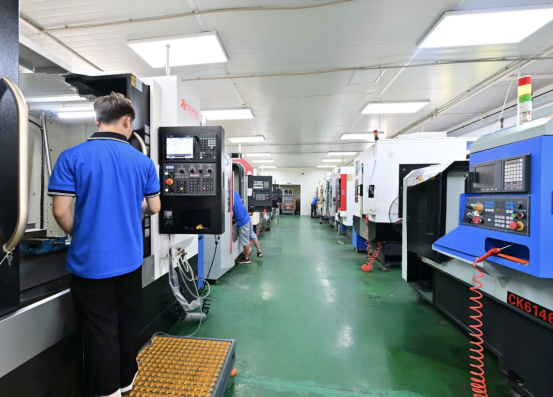
In the competitive landscape of global manufacturing, engineers and procurement managers face a persistent challenge: securing high-precision components without inflating unit costs. The solution lies in leveraging the mature infrastructure of injection molding China, where advanced engineering protocols now drive cost efficiency. By integrating early-stage Design for Manufacturability (DFM) with scientific molding, suppliers can eliminate structural redundancies and optimize cycle times. This approach allows manufacturers to meet tight tolerances while maintaining competitive pricing for medical, automotive, and consumer electronics sectors.

Strategic Engineering for Cost-Optimized Precision

Achieving the balance between micron-level accuracy and low production costs requires a holistic engineering approach. This section explores how structural optimization and rigorous process control form the backbone of cost-effective China custom injection molding.

Early DFM and Tooling Standards

The most significant cost reductions occur before steel is ever cut. Through early DFM intervention, suppliers analyze part geometry to remove unnecessary wall thickness variations and simplify complex side-action core structures. This process not only reduces mold complexity but can lower tooling costs by 15% to 30%. For high-volume production, implementing SPI Class 101 tooling standards is critical. Utilizing hardened steel capable of withstanding 1 million to 3 million shots ensures longevity, while high-cavity molds (8 to 32 cavities) amortize tooling expenses across millions of units.

Furthermore, integrating Moldflow analysis allows engineers to simulate gate locations and cooling line layouts. This predictive modeling prevents warpage and ensures thermal balance, significantly reducing the number of physical trial shots required.

Table 1: Impact of DFM Optimization on Production Costs

Cost FactorConventional ApproachOptimized DFM ApproachEstimated Savings
Tooling Lifecycle500k Shots (P20 Steel)1M+ Shots (Hardened Steel)50% Long-term
Trial Shots (T)T1 – T5T1 – T260% Setup Cost
Cycle Time30s – 50s20s – 40s20% Unit Cost
Scrap Rate2% – 5%< 0.5%Material Waste

Scientific Process Control and Quality

Once the tool is built, precision is maintained through scientific molding protocols. This involves Decoupled Molding strategies that separate filling, packing, and holding phases to ensure consistency. By establishing viscosity curves and monitoring cavity pressure in real-time, China injection molds can produce parts with exceptional repeatability. For thin-wall precision components, cycle times are optimized to a rapid 6s – 15s range, while structural components are standardized between 20s and 45s.

Quality management extends beyond mere inspection. Suppliers enforcing strict tolerance standards aim for ±0.01mm – ±0.02mm for high-precision grades, with specialized optical components reaching as tight as ±0.002mm – ±0.005mm. Utilizing CMM and OGP optical measurement systems ensures these specifications are met. Lean production goals target a scrap rate of less than 0.5%, often achieved through automated vision inspection systems that detect defects immediately, reducing the need for costly secondary operations.

Livepoint Tooling: Premier Injection Molding Capabilities

Livepoint Tooling stands as a leader in injection mold service China, offering end-to-end solutions from rapid prototyping to mass production. Their ISO 9001 and IATF 16949 certified facilities are equipped to handle complex projects with speed and precision.

Advanced Manufacturing Infrastructure
Livepoint Tooling operates a robust facility featuring over 30 injection machines with press ranges from 100 to 800 tons. This capacity allows for the monthly production of over 100,000 parts, catering to diverse industries including automotive, medical, and consumer electronics. Their capability to deliver T1 samples in as fast as 2 weeks accelerates time-to-market significantly.

Ultra-High Precision and Material Versatility
Specializing in high-performance applications, Livepoint Tooling achieves ultra-high precision tolerances up to 0.005 mm. They support over 100 engineering materials, including ABS, PC, PA, PBT, and high-performance modified resins. Their expertise is demonstrated in challenging projects, like high-precision pipes with ±0.15 mm tolerances.

Comprehensive Service Ecosystem
Beyond molding, Livepoint Tooling provides a true one-stop solution.
Rapid Tooling: Accelerates development with low-volume options.
 No MOQ: Flexible production quantities to support startups and large OEMs alike.
Free Mold Storage: Eliminates inventory fees for client tooling.
Secondary Processes: Includes CNC machining, EDM, and various surface finishes like SPI polishing and texture etching.

By strictly adhering to scientific molding data and optimizing mold configurations, Livepoint Tooling ensures manufacturers secure high-precision parts at competitive rates. Contact their team today to audit your designs and initiate a cost-effective production strategy.

March 17, 2026 0 comments
0 FacebookTwitterPinterestEmail
Industry

How ITES China Brings Together Robotics Suppliers with End Effector Innovations

by apbclothing March 10, 2026
written by apbclothing

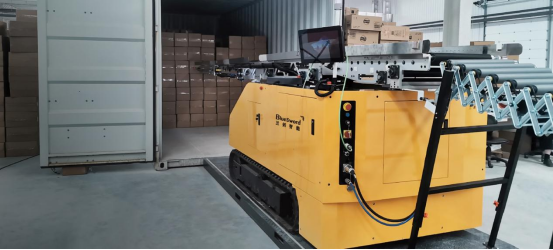
The efficiency of an automated production line is often dictated not by the speed of the robotic arm, but by the capability of the tool attached to its wrist. As global manufacturing pivots toward high-mix, low-volume production, the integration of advanced end effectors for robots has become a critical focal point for system integrators. Within the professional ecosystem of ITES China, this synergy is brought to life. They provide a high-density platform where the latest robotic arms are paired with cutting-edge grippers and sensors, allowing B2B buyers to witness the full potential of integrated automation in real-time. This hands-on environment eliminates the guesswork of compatibility, enabling manufacturers to find turnkey solutions for complex assembly and material handling tasks.

Precision Engineering In The Industrial Robot End Effector Sector

Finding the right interface for specialized tasks requires a deep understanding of mechanical force and sensory feedback. They host a wide array of international and domestic suppliers, each demonstrating how a modern industrial robot end effector can transform a standard machine into a highly specialized worker. Whether the task involves the high-speed sorting of electronics or the heavy-duty lifting of automotive chassis, the variety of vacuum grippers, magnetic tools, and pneumatic clamps on display is unmatched. By facilitating direct dialogue between original equipment manufacturers and technical engineers, the platform ensures that the nuances of force-torque control and precision alignment are addressed before a single purchase order is signed.

Integrating Intelligence Into Robotic Handhelds

The current trend in automation involves moving away from “dumb” mechanical grippers toward intelligent, sensor-driven systems. They highlight these breakthroughs by showcasing end effectors for robots that feature embedded machine vision and tactile feedback sensors. These innovations allow robots to detect the orientation of non-standard automation components or the fragility of precision medical parts. By observing these “smart” tools during live demonstrations, procurement teams can evaluate how such technologies reduce error rates and improve the flexibility of factory smart logistics. This technical depth is further explored in on-site entrepreneur summits, where the future of industrial control automation and human-robot collaboration is discussed by industry visionaries.

Collaborative Growth And Supply Chain Resilience

Beyond the hardware, the value of the exhibition lies in the technical and market cooperation it fosters across the entire manufacturing chain. They offer a unique offline exchange platform where a supplier of an industrial robot end effector can connect with specialists in power transmission technologies or machine tool accessories. This networking is bolstered by curated visit group services and technical forums, ensuring that exhibitors and visitors alike can identify the most resilient supply chain partners. For manufacturers looking to upgrade their facilities, this means gaining access to a complete ecosystem—from hardware standard parts to complex robotic system integrations—all within a single four-day window.

Advancing Productivity Through Strategic Technical Partnerships

Maximizing the return on investment in robotics requires a commitment to adopting the most versatile and capable tooling available. They empower this transition by serving as a premier launchpad for over 120 new product releases, keeping the manufacturing community informed of the latest market dynamics. By staying active within the ITES China network, businesses ensure they remain at the forefront of the smart manufacturing revolution. As the industry continues to move toward higher degrees of autonomy and precision, the partnerships and insights secured at this professional gathering will continue to be the cornerstone of successful industrial scaling and technological leadership.

March 10, 2026 0 comments
0 FacebookTwitterPinterestEmail
IndustryInnovation

What Special Considerations Are Needed for Air Purification in Lead-Free Reflow Soldering Processes?

by apbclothing March 5, 2026
written by apbclothing

In lead-free production lines, flux activation temperatures are noticeably higher, causing denser particulate formation during reflow. Systems like the PURE-AIR solder fume extractor must address these thermal characteristics while maintaining stable airflow. A solder fume extractor suitable for this environment must manage both vapor-phase byproducts and fine solid residues released when alloys transition through elevated melting ranges. Lead-free chemistry also increases organic compound evaporation, so filtration stability becomes a priority. Early-stage planning should consider how a reflow soldering air purifier responds to fluctuating load levels along long conveyor paths.

Managing Multi-Stage Heating Zones

Reflow ovens include preheat, soak, reflow, and cooling zones, each producing a different fume profile. When selecting extraction equipment, engineers evaluate how filtration modules react to shifts in temperature and particulate density between stages. A solder fume extractor applied in lead-free settings must maintain uniform capture efficiency without disturbing thermal curves. Because airflow imbalances may disrupt solder joint formation, extraction strategies require adjustable pressure control and a filtration layout matched to oven geometry. In continuous lines, a reflow soldering air purifier helps stabilize operator exposure levels while supporting consistent process conditions.

Integrating Hand & Automated Extraction Requirements

Many factories run hand soldering alongside automated reflow operations. For this reason, they often use solutions such as hand and automated systems working together, where the PURE-AIR extractor for hand & automated soldering fume control supports both workstation and in-line needs. While reflow demands high-volume capture near oven exhaust points, manual tasks require localized arms and steady suction to remove flux vapor. A solder fume extractor used across these stations should rely on multi-stage filters that tolerate long production cycles. Coordinating these zones ensures the reflow soldering air purifier contributes to overall plant hygiene and stability.

Conclusion

Effective air purification in lead-free reflow soldering requires understanding fume characteristics, adjusting to multi-stage temperature zones, and integrating extraction across manual and automated processes. By combining stable airflow, appropriate filtration, and zone-specific control, a solder fume extractor can support consistent production quality. When aligned with oven design and workstation needs, a reflow soldering air purifier helps create a safer and cleaner environment suitable for sustained industrial manufacturing.

March 5, 2026 0 comments
0 FacebookTwitterPinterestEmail
IndustryInnovation

What People Overlook When Choosing a DC Wall-Mounted Charger

by apbclothing February 26, 2026
written by apbclothing

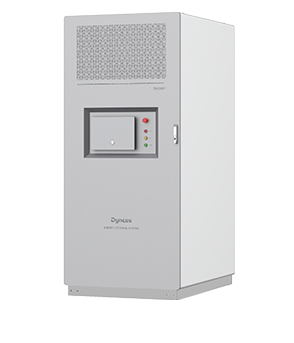
Many users focus mainly on charging speed but often ignore several essential aspects when selecting a DC wall mount charging station. Beyond capacity and appearance, installation conditions, long-term reliability, and compatibility with different EV models also play important roles. When discussing solutions offered by AMPPAL, they provide options such as their 20/30/40kW Wall-Mounted DC Charging Station, which helps address varied urban and commercial deployment needs. These considerations ensure the chosen charger performs consistently in both private parking spaces and shared facilities. Understanding these overlooked factors guides users to make decisions that match actual usage scenarios rather than just technical expectations.

Practical Considerations Related to Site Conditions

Another overlooked point when evaluating a DC EV wall mount is the real site environment. Ventilation, electrical capacity, and cable arrangement directly influence installation feasibility. They offer integrated chargers designed for different locations, including residential communities, urban parking facilities, and public charging areas. Their chargers support rapid deployment even when the available space is limited, which is useful for bus fleets, taxis, logistics vehicles, and private EV users. While people usually concentrate on kW ratings alone, considering surrounding infrastructure ensures stable operation and smoother project planning.

Long-Term Performance and Certification Requirements

When choosing a DC wall mount charging station, long-term performance is often underestimated. Temperature adaptability, protective functions, and certification compliance influence reliability across seasons and high-use environments. They incorporate quality assurance, R&D capabilities, and tested materials in their charging equipment to help maintain consistent output. Their 20/30/40kW model offers features suitable for inter-city expressway stations and business locations where fast charging and durability are equally important. Users who overlook these details may encounter issues that could have been prevented by reviewing certification and design standards earlier.

Conclusion

This discussion highlights what many people miss when selecting a DC EV wall mount, including installation conditions, infrastructure compatibility, and long-term performance. By understanding these aspects, users can choose solutions that meet real-world scenarios more effectively. They provide equipment such as the 20/30/40kW Wall-Mounted DC Charging Station that fits diverse applications in cities, commercial sites, and transportation hubs. Considering these often-ignored factors results in a more practical and dependable charging setup.

February 26, 2026 0 comments
0 FacebookTwitterPinterestEmail
IndustryInnovation

Security Protocols for Protecting Data in Networked Patient Vital Signs Monitors

by apbclothing January 19, 2026
written by apbclothing

In modern healthcare, the safety of patient data is just as important as the accuracy of medical readings. Hospitals increasingly rely on networked hospital patient monitors to track vital information. While these devices improve patient care, they also require robust security measures to protect sensitive information. EDAN’s solutions, including the iM3, focus on both performance and data safety.

Understanding Risks in Networked Monitors

Networked patient vital signs monitors transmit real-time data, making them susceptible to unauthorized access and cyber threats. Without proper safeguards, patient information can be exposed, affecting privacy and hospital operations. Ensuring secure communication channels and limiting access to authorized personnel are essential practices.

EDAN iM3 and Data Security

The EDAN iM3 incorporates encryption and secure network protocols to safeguard patient information. Hospitals using the iM3 can monitor vital signs while ensuring that data remains confidential and integral. The device supports secure authentication and maintains audit trails for all data transfers, helping healthcare staff comply with regulatory requirements.

Implementing Security Protocols

Protecting patient data goes beyond device design. Hospitals must implement firewalls, encrypted networks, and regular software updates to prevent vulnerabilities. Regular staff training on cybersecurity practices ensures that those interacting with hospital patient monitors understand the importance of data protection. Segmentation of networks and access controls further minimizes risk from internal and external threats.

Conclusion

Networked patient vital signs monitors play a vital role in modern healthcare, but data security must remain a priority. EDAN’s iM3 combines reliable monitoring with robust security protocols to protect sensitive patient information. Hospitals can achieve a secure environment by pairing advanced devices with comprehensive cybersecurity strategies, ensuring both patient safety and privacy.

EDAN continues to support healthcare professionals with tools that monitor patient health effectively while maintaining strict data protection standards.

January 19, 2026 0 comments
0 FacebookTwitterPinterestEmail
Industry

 How to Choose Serum-free Freezing Medium for Stem Cells

by apbclothing January 4, 2026
written by apbclothing

Selecting the right Serum-free freezing medium is crucial for the successful preservation of stem cells. The choice of medium can significantly impact cell viability and overall recovery after thawing. With multiple options available, understanding the key features of Serum-free Media and selecting one that aligns with specific research goals is essential.

Understanding Serum-free Freezing Media

Serum-free freezing mediums are designed to support the survival of cells during cryopreservation without the use of animal-derived components. These media provide a chemically defined environment that minimizes variability in experimental results. When choosing a Serum-free freezing medium, researchers should consider formulations that offer support for specific cell types, such as CHO-K1 and CHO-S cells. The ability to maintain high cell viability post-thaw is crucial for downstream applications.

Key Features to Consider

When evaluating Serum-free freezing media, look for animal-origin free formulations. The incorporation of chemically defined components ensures reproducibility and consistency in experiments. The OptiVitro® CHO Serum-free Freed Medium TransExp CA06 exemplifies an ideal choice, as it is specifically developed for high-density cultures and does not require additional glutamine. Products that include a single glucose feed can streamline freezing protocols and improve post-thaw protein production, which is of utmost importance in biopharmaceutical applications.

Making the Right Choice

Opting for a Serum-free freezing medium that meets the specific requirements of your cell type can enhance the success of cryopreservation efforts. The right medium not only optimizes cell viability but also provides a more consistent platform for future experimental work.

ExCell Bio stands out in this niche by offering high-quality Serum-free Media, such as the OptiVitro® CHO Serum-free Basal Medium. Their commitment to providing reliable, chemically defined formulations ensures researchers can focus on their scientific objectives without the added variability associated with serum-based systems.

January 4, 2026 0 comments
0 FacebookTwitterPinterestEmail
IndustryNews

Sustainable Dining Solutions from MEITU Industry’s Compostable Tableware

by apbclothing January 4, 2026
written by apbclothing

In recent years, sustainable dining solutions have become increasingly important for both businesses and households. MEITU Industry specializes in the research, design, production, and sale of eco-friendly materials, offering compostable tableware that helps reduce environmental impact. Their products are designed for everyday use and special occasions, providing a practical alternative to traditional disposable dining items. Among their offerings, christmas paper plates have gained attention for combining festive design with biodegradable materials, making holiday gatherings more environmentally responsible.

Sustainable Materials for Daily and Seasonal Use

They provide a wide range of compostable tableware made from plant fibers and biodegradable plastics, suitable for restaurants, catering services, and home use. The materials used ensure durability and safe food contact while being fully compostable after disposal. Their christmas paper plates are crafted with eco-friendly coatings and high-quality plant-based fibers, balancing strength and environmental benefits. By choosing these products, consumers can enjoy convenient dining while contributing to sustainable practices.

Customization and Production Capabilities

MEITU Industry maintains full-chain manufacturing capabilities and strict quality control. They can provide customized sizes, shapes, and designs for compostable tableware, catering to specific client needs. The company also offers OEM and ODM services for large-scale clients, ensuring consistent product quality. Their production facilities, including an overseas plant in Thailand, allow them to handle international orders efficiently, even under trade regulations. This makes christmas paper plates and other seasonal products accessible to a wide range of customers.

Conclusion: A Responsible Choice for Dining

In conclusion, choosing MEITU Industry’s compostable tableware is a practical step toward eco-friendly dining. Their products, including christmas paper plates, reflect a commitment to sustainability, offering both functional and environmentally conscious options. With comprehensive manufacturing experience and customizable solutions, they provide a reliable option for individuals and businesses aiming to reduce their environmental footprint while maintaining convenience and quality in daily meals and special occasions.

January 4, 2026 0 comments
0 FacebookTwitterPinterestEmail
IndustryInnovation

What Are Stepper Drives?

by apbclothing December 29, 2025
written by apbclothing

In the precise world of industrial automation and motion control, the efficacy of a machine often relies on the components that operate behind the scenes. While the motor itself provides the muscle, the intelligence and regulation of that power come from a critical device known as the stepper drive. As the intermediary between a motion controller and the motor, the stepper drive dictates exactly how the motor moves, how much torque it applies, and how smoothly it operates. Companies like Leadshine have spent decades refining this technology, producing advanced stepper motor drivers that enable everything from 3D printers to high-end CNC machinery to function with exceptional accuracy.


The Role of the Stepper Drive in Automation

At its core, a stepper drive is an electronic power amplifier. Its primary function is to translate low-voltage control signals—typically from a PLC (Programmable Logic Controller), PC, or microcontroller—into the high-power electrical current required to energize the windings of a stepper motor. Without a stepper drive, a stepper motor is essentially an inert paperweight; it cannot interpret the digital “step” and “direction” commands that dictate position. Leadshine has established itself as a leader in this field by developing drives that not only translate these signals but optimize them, ensuring that the motor performs efficiently without missing steps or overheating.


How Stepper Motor Drivers Process Signals

The operation of a stepper motor driver begins with the receipt of input signals. The most common control method is “Pulse and Direction.” In this setup, the controller sends a series of electrical pulses to the stepper drive. Each pulse represents a single step of rotation. The frequency of these pulses determines the speed of the motor, while the number of pulses determines the distance traveled. A separate signal indicates the direction (clockwise or counter-clockwise). The stepper motor driver interprets these logic-level signals (usually 5V or 24V) and rapidly switches the current flowing through the motor’s coils to force the magnetic rotor to align with the energized stator poles, resulting in precise physical motion.


The Magic of Microstepping Technology

Early generations of stepper drives operated in “full step” mode, where a standard motor would move 1.8 degrees per step (200 steps per revolution). While accurate, this often resulted in jerky motion and resonance at low speeds. Modern stepper motor drivers, particularly the digital series from Leadshine, utilize a technology called microstepping. By regulating the current in the motor windings to intermediate levels—rather than just “on” or “off”—the drive can position the rotor between full steps. This allows a standard 200-step motor to behave as if it has 5,000 or even 50,000 steps per revolution. The result is drastically smoother motion, reduced vibration, and quieter operation, which is critical for precision instruments and medical devices.


Advanced Features: Anti-Resonance and Smoothness

One of the distinguishing features of high-quality stepper drives is their ability to combat the natural physics of the motor. Stepper motors are prone to resonance—a phenomenon where the motor vibrates excessively at certain speeds, potentially causing it to stall or lose position. Leadshine integrates advanced Digital Signal Processing (DSP) into their stepper motor drivers to actively calculate and suppress this resonance. By monitoring the motor’s behavior electronically, the drive applies corrective algorithms in real-time. This “anti-resonance” feature ensures that the motor delivers consistent torque across its entire speed range, allowing machines to run faster and more reliably than they could with generic drives.


Versatility in Voltage and Power

Stepper drives are designed to handle a wide spectrum of power requirements. Leadshine offers drives that operate on DC voltages (typically 20V to 80V) for smaller applications, as well as high-voltage AC input drives (up to 220VAC) for heavy-duty industrial machines. The choice of voltage is crucial because it directly impacts the motor’s top speed. A higher voltage stepper drive forces current into the motor coils faster, allowing the motor to maintain torque at higher RPMs. This versatility means that engineers can select a stepper motor driver that perfectly matches the power supply available in their control cabinet, whether it is a battery-powered mobile robot or a mains-powered industrial lathe.


Smart Configuration and Self-Test Capabilities

Modern stepper drives have evolved beyond simple “plug and play” hardware into smart devices. Many Leadshine drives feature “auto-tuning” or self-configuration capabilities. Upon power-up, the drive sends a brief test signal to the connected motor to measure its electrical properties, such as inductance and resistance. Based on this data, the stepper motor driver automatically adjusts its internal current control parameters (PI control loops) to optimize performance for that specific motor. This eliminates the tedious manual tuning often required in the past and guarantees that the system is running at peak efficiency from the very first moment of operation.


Applications Driving Industry Forward

The application of stepper drives is nearly ubiquitous in modern manufacturing. They are the standard for open-loop positioning systems where cost-effectiveness and simplicity are prioritized. You will find stepper motor drivers powering the axes of laser cutting machines, controlling the material feed in packaging lines, and managing the precise movement of syringe pumps in laboratory automation. In the textile industry, Leadshine drives control the intricate patterns of industrial knitting machines. Their ability to hold a position without mechanical brakes (detent torque) makes them ideal for Z-axis applications where gravity must be counteracted when the machine is stationary.


The Critical Link in Motion Control

In summary, stepper drives are the unsung heroes of motion control, acting as the critical link between digital instructions and physical movement. They provide the necessary power, precision, and protection to ensure motors operate smoothly and accurately. By leveraging advanced DSP technology and features like microstepping and anti-resonance, manufacturers like Leadshine have elevated the humble stepper motor driver into a sophisticated tool capable of meeting the rigorous demands of Industry 4.0. For any engineer or machine builder, understanding the capabilities of these drives is the first step toward building faster, quieter, and more reliable automated systems.

December 29, 2025 0 comments
0 FacebookTwitterPinterestEmail
IndustryInnovation

Security at the Fingertip: What B2B Buyers Should Know Before Choosing Fingerprint Door Lock Manufacturers

by apbclothing December 29, 2025
written by apbclothing

In the rapidly expanding market of smart building technology, the transition from mechanical keys to biometric authentication is a strategic move toward higher operational security. For B2B buyers—including property developers, locksmith wholesalers, and facility managers—selecting a fingerprint door lock manufacturers partner is about more than just finding a sleek design. It requires a deep dive into the engineering of biometric reliability, structural durability, and the scalability of the backend management system.

As the demand for keyless entry grows in both residential complexes and commercial offices, understanding the “popular science” of biometric hardware will help you separate high-performance equipment from consumer-grade novelties.

The Science of Accurate Biometric Identification

Not all fingerprint sensors are created equal. When evaluating a fingerprint home lock supplier, the first technical detail to examine is the sensor type. Most modern professional-grade locks have moved away from optical sensors (which take a 2D image) toward semiconductor capacitive sensors.

Capacitive sensors work by measuring the electrical current between the ridges of a finger and the sensor plate, creating a precise 3D map of the print. This technology is significantly more secure because it requires a “live” finger to complete the circuit, making it nearly impossible to spoof with high-resolution photos or silicone molds. Furthermore, look for manufacturers that boast a False Acceptance Rate (FAR) of ≤ 0.0001 %, ensuring that the odds of an unauthorized user gaining access are virtually non-existent.

Material Science and Mechanical Integrity

A smart lock is only as strong as its physical housing. In high-traffic 2B environments, locks are subjected to thousands of cycles and potential physical tampering. Professional fingerprint door lock manufacturers prioritize materials like zinc alloy or high-grade aluminum alloy with IMD (In-Mold Decoration) coatings.

These materials offer high tensile strength and resistance to “baking paint” wear, ensuring the lock remains functional and aesthetically pleasing over years of use. Additionally, check for the inclusion of a “C-class” lock cylinder—the highest security level in mechanical anti-theft standards—which ensures that even if the electronic component is compromised, the mechanical core remains resistant to professional picking.

Trudian: Engineering Excellence in Biometric Security

As a dedicated fingerprint home lock supplier with over a decade of experience in smart community solutions, Trudian has developed a product range that balances sophisticated tech with industrial-strength hardware. Their solutions are designed to meet the rigorous standards of global B2B procurement.

The Trudian smart lock series (such as the TD-F39ER) features specifications tailored for professional deployment:

  • Multi-Modal Access: Beyond fingerprints, Trudian locks integrate facial recognition, IC cards, anti-peep passwords (up to 20 digits), and Tuya App remote unlocking.
  • High-Speed Processing: Equipped with advanced semiconductor sensors that achieve an identification speed of < 1 second, ensuring seamless traffic flow in busy hallways.
  • Robust Capacity: Designed for scale, these systems can manage up to 300 sets of user data (faces, prints, and codes), making them ideal for small-to-medium enterprises.
  • Emergency Resilience: Featuring hidden mechanical keyholes and USB emergency power ports, ensuring that “lockouts” are impossible even during total battery failure.

Beyond the Hardware: Software and Integration

For a 2B buyer, the “lock” is part of a larger management ecosystem. Leading fingerprint door lock manufacturers provide integration with platforms like the Tuya Smart App or proprietary community management software. This allows facility managers to issue “dynamic passwords” for temporary visitors or contractors and monitor real-time entry logs from a central dashboard.

In conclusion, a successful B2B smart lock deployment depends on three pillars: the precision of the biometric sensor, the physical durability of the alloy housing, and the flexibility of the management software. By partnering with an established manufacturer like Trudian, you ensure that your security infrastructure is not only modern but also built to last.

December 29, 2025 0 comments
0 FacebookTwitterPinterestEmail
IndustryInnovation

How to Maintain Lithium Battery Assembly Lines for Long-Term Use

by apbclothing December 19, 2025
written by apbclothing

Maintaining an efficient lithium battery assembly line is crucial for businesses focused on battery manufacturing. A well-maintained assembly line not only enhances productivity but also extends the lifespan of lithium ion battery manufacturing equipment. A proactive approach to maintenance can prevent costly downtimes and ensure sustained output quality.

Regular Equipment Inspections

Routine inspections of battery manufacturing equipment, especially the coating, calendering, and slitting machines, are essential in maintaining operational efficiency. These core processes require precise alignment and functionality to produce high-quality batteries. By implementing scheduled inspections, businesses can identify wear and tear early, mitigating the risk of unexpected failures. For instance, a single-layer coating machine suitable for both power and digital batteries should be monitored for coating width and speed capabilities, ensuring they operate at maximum efficiency—up to 1350mm in width and 120m/min in speed.

Training and Development

Investing in staff training enhances the lifespan of lithium ion battery manufacturing equipment. Employees should be well-versed in the operation and maintenance of assembly line machinery, including advanced troubleshooting techniques. Knowledgeable staff can address minor issues before they escalate into significant problems, thereby safeguarding the production process. Companies that prioritize continuous education for their personnel often see a marked improvement in overall assembly line performance and product quality.

Upgrading Equipment Strategically

As technology evolves, so does the need for upgrades in battery manufacturing equipment. Implementing the latest advancements in coating and calendering technologies can lead to improved efficiency and quality. Businesses should conduct regular assessments of their equipment to determine when upgrades are necessary, focusing on enhancing the core processes that impact production rates and quality.

Enhancing Your Production with Yinghe

For companies looking to bolster their lithium battery assembly lines, collaborating with industry leaders like Yinghe can provide invaluable support. Specializing in integrated line solutions for lithium battery equipment production, Yinghe offers advanced machinery designed to enhance efficiency and longevity in battery manufacturing. Providing both expertise and state-of-the-art equipment, Yinghe is committed to helping businesses thrive in the competitive field of lithium ion battery manufacturing.

December 19, 2025 0 comments
0 FacebookTwitterPinterestEmail
  • 1
  • 2
  • 3
  • 4
  • …
  • 12

About Me

About Me

Hi there, my name is Ellen. Welcome to my Blog where you can get beauty tips and so much more.

Keep in touch

Facebook Twitter Instagram Pinterest Youtube Bloglovin

Recent Posts

  • Enhancing Comfort in the Dental Office: The Benefits of Dental Saddle Stools

    July 3, 2026
  • The Anatomy of a High-Quality Stainless Steel Bracelet: What Manufacturers Look For

    July 1, 2026
  •  Hybrid Solar Inverters Buying Guide

    June 26, 2026
  • Gravel Cycling Shoes: Stiff Enough for Speed, Soft Enough for Walking

    June 24, 2026
  • 白切雞供應市場分析

    June 24, 2026

Categories

  • Agriculture (1)
  • AR (1)
  • Beauty (21)
    • Hair Style (7)
    • Makeup (7)
    • Skincare (7)
  • Biology (3)
  • Business (86)
  • Catalyst (1)
  • Dentistry (1)
  • Desgin (1)
  • Dress (1)
  • Economy (25)
  • Featured (9)
  • Global Trade (30)
  • Healthcare (1)
  • Hotel (1)
  • Industry (117)
  • Innovation (52)
  • Jewelry (3)
  • Kitchen (2)
  • Knife (1)
  • LED (2)
  • Lifts (1)
  • light (1)
  • Living (1)
  • Machine (11)
  • Manufacturer (36)
  • Market (26)
  • Medical (12)
  • Monitors (1)
  • News (57)
  • Product (35)
  • Smart Lock (1)
  • Tech (70)
  • Technology (15)
  • Tool (3)
  • Vegetables indoor (1)
  • 未分类 (1)

About Me

About Me

Hi there, my name is Ellen. Welcome to my Blog where you can get beauty tips and so much more.

Popular Posts

  • 1

    香港家庭首選的豪華MPV該具備哪些特點

    July 9, 2025
  • 2

    5 DIY Natural Skin Treatments For You

    January 22, 2019
  • 3

    Makeup Routine For A Dry Winter

    January 22, 2019
  • 4

    How To Use Blow Dryer The Right Way

    January 22, 2019

Featured Posts

  • Enhancing Comfort in the Dental Office: The Benefits of Dental Saddle Stools

    July 3, 2026
  • The Anatomy of a High-Quality Stainless Steel Bracelet: What Manufacturers Look For

    July 1, 2026
  •  Hybrid Solar Inverters Buying Guide

    June 26, 2026
  • Gravel Cycling Shoes: Stiff Enough for Speed, Soft Enough for Walking

    June 24, 2026
  • Facebook
  • Twitter
  • Instagram
  • Pinterest
  • Youtube
  • Bloglovin

All Right Reserved. Designed and Developed by Apbclothing.


Back To Top
apbclothing
  • Home
  • Featured
  • Hair Style
  • Makeup
  • Skincare